
Buying a House in Dubai for Expats: Complete Guide
This comprehensive guide will walk you through everything you need to know about purchasing property in Dubai as an expat, from understanding freehold areas and legal requirements to exploring the most promising investment locations across the city.
Table of Contents
- Dubai Property Investment: Why It Is Attractive for Expats
- Legal Requirements and Buying Process for Expats
- Types of Properties Available in Dubai
- Best Areas for Expats to Buy Property in Dubai
- Investment Considerations for Dubai Property
- Tips for a Successful Property Purchase in Dubai
Dubai Property Investment: Why It Is Attractive for Expats
Dubai’s real estate market stands as a premier investment hub for expatriates worldwide. The city blends modern luxury with promising investment potential, creating compelling opportunities in a market known for its impressive growth trajectory and diverse property offerings.
Investing in Dubai property comes with substantial financial benefits that set it apart from other global markets. The absence of property taxes means owners retain more profit from their investments. The strategic location between Europe, Asia, and Africa positions Dubai as a global business center, driving consistent demand for quality housing and commercial spaces. Additionally, the stable political environment provides security for long-term investments.
The Freehold Law transformed Dubai’s property landscape by allowing foreigners to buy real estate with complete ownership rights in designated areas. This landmark legislation opened the market to international investors, triggering remarkable growth in the development of luxury villas, modern apartments, and innovative residential communities across the city.
Legal Requirements and Buying Process for Expats
Eligibility Requirements for Foreign Buyers
Foreign buyers can purchase property in Dubai, but only in designated freehold areas across the city. These areas were established following the groundbreaking legislation that opened Dubai’s real estate market to international investors seeking to buy property in the UAE.
The following table showcases some of the most popular freehold areas in Dubai where expats can purchase properties:
| Area | Property Types |
| Arjan | Apartments (Studios to 3-Bedroom) |
| Barsha Heights | Apartments (Studios to 2-Bedroom), Commercial Units |
| Bluewaters Island | Apartments (1 to 4-Bedroom) |
| Business Bay | Apartments (Studios to 3-Bedroom), Penthouses, Villas |
| Culture Village | Apartments (Studios to 3-Bedroom) |
| Discovery Gardens | Apartments (Studios to 2-Bedroom) |
| Downtown Dubai | Apartments (Studios to Larger Units) |
| Dubai Marina | Apartments (Studios to 4-Bedroom), Townhouses, Villas |
| Al Furjan | Apartments (Studios to Larger Units), Villas, Townhouses |
Want to know more about Dubai villas? Discover our dedicated blog post!
Understanding the distinction between freehold and leasehold ownership is important when buying property in Dubai. Freehold offers complete ownership rights, allowing buyers to sell, lease, or modify their properties without restrictions. Properties in areas like Dubai Marina and Downtown Dubai typically fall under this category. Leasehold, meanwhile, grants ownership for a fixed period, usually 99 years, with certain limitations on property alterations and transfers. This distinction impacts not only your immediate rights but also the long-term value and transferability of your investment in the Dubai real estate market.
Property ownership in Dubai can lead to attractive residency options for expats. Investing in real estate qualifies buyers for the prestigious Golden Visa program, granting a 10-year renewable residency permit. This visa allows sponsors for family members and doesn’t require a local sponsor, making Dubai property investment particularly appealing for those seeking long-term residence in the UAE.
Step-by-Step Buying Process
The property buying process in Dubai follows a structured path with specific legal requirements at each stage. Initially, buyers select a property and make an offer. Once accepted, they sign a reservation agreement and pay a deposit. A formal sales agreement is then prepared and submitted to the Dubai Land Department for registration.
To successfully purchase a property in Dubai as an expat, ensure you have all the necessary documentation and meet specific requirements.
- Passport Verification: A valid passport is a fundamental requirement for expats looking to buy property.
- Residency Proof: Provide evidence of Dubai residency status, such as a visa or permit, if applicable, to streamline the purchase process.
- Income Documentation: Submit proof of income, like salary slips or bank statements, to demonstrate your financial capability to afford the property.
- Purchase Agreement Review: Carefully review the formal purchase agreement, ensuring all terms and conditions are clearly outlined and understood before signing.
- DLD Registration: Complete the property registration with the Dubai Land Department (DLD), which is a mandatory step ensuring legal ownership and compliance.
The Dubai Land Department (DLD) serves as the regulatory authority overseeing all real estate transactions in the emirate. This government entity ensures transparency and legality in property deals through its comprehensive registration system. Every property transaction must be recorded with the DLD, which verifies ownership details, confirms there are no outstanding disputes or debts on the property, and issues official title deeds. The DLD’s Real Estate Regulatory Agency (RERA) also protects buyers by regulating developers, brokers, and property management companies. It enforces industry standards and resolves disputes through specialized legal channels.
Fees and Costs Explained
When purchasing property in Dubai, buyers must budget for several fees beyond the purchase price. These include a 4% transfer fee to the Dubai Land Department, around 2% real estate agency commission, administrative fees, and potential mortgage registration fees (if applicable).
Ongoing costs of property ownership in Dubai extend beyond the initial purchase price and deserve careful consideration in your financial planning. Annual service charges for property maintenance typically vary by building quality and amenities offered. Community fees cover shared facilities like swimming pools, gyms, and landscaped areas.
Financing Options for Expats
Expatriates have several financing options when buying property in Dubai. Most local banks offer mortgages to foreign buyers. The maximum loan-to-value ratio for expats is generally 75% for properties under 5 million AED and 65% for properties above this threshold, meaning you’ll need to prepare a down payment of at least 25-35% of the purchase price.
Developers frequently provide attractive payment structures for off-plan properties, with some offering 20-80 plans (20% during construction and 80% on completion) or even post-handover payment plans extending 3-5 years after receiving the keys. These arrangements can significantly reduce the initial capital required, though they typically come with slightly higher overall prices compared to outright purchases. This flexibility makes Dubai’s property market accessible to investors with varying financial capabilities while potentially allowing them to generate rental income before completing all payments.
Types of Properties Available in Dubai
Luxury Villas and Apartments
Dubai’s luxury real estate market features premium properties in prestigious areas like Palm Jumeirah and Emirates Hills. The emirate’s high-end property segment continues to attract wealthy buyers seeking exceptional living experiences and investment opportunities.
Luxury properties in Dubai stand out with their distinctive features, from breathtaking waterfront views to state-of-the-art amenities. These exclusive residences offer unparalleled comfort with spacious layouts, private pools, smart home technology, and concierge services. Consider exploring options in the Secondary market for immediate investment opportunities. Dubai’s luxury market competes favorably with other global cities while offering significantly better value per square foot.
Mid-Market Residential Options
Dubai offers numerous mid-range property options that provide excellent value for families and investors seeking reasonable entry points into the market. These properties balance affordability with quality living experiences.
Popular mid-range communities include Dubai Marina, Jumeirah Village Circle, and Dubai Sports City, each offering distinct advantages. Dubai Marina provides urban waterfront living, while JVC offers more spacious apartments at competitive prices. Sports City appeals to active residents with its sporting facilities and affordable housing options.
Best Areas for Expats to Buy Property in Dubai
Established and Popular Expat Communities
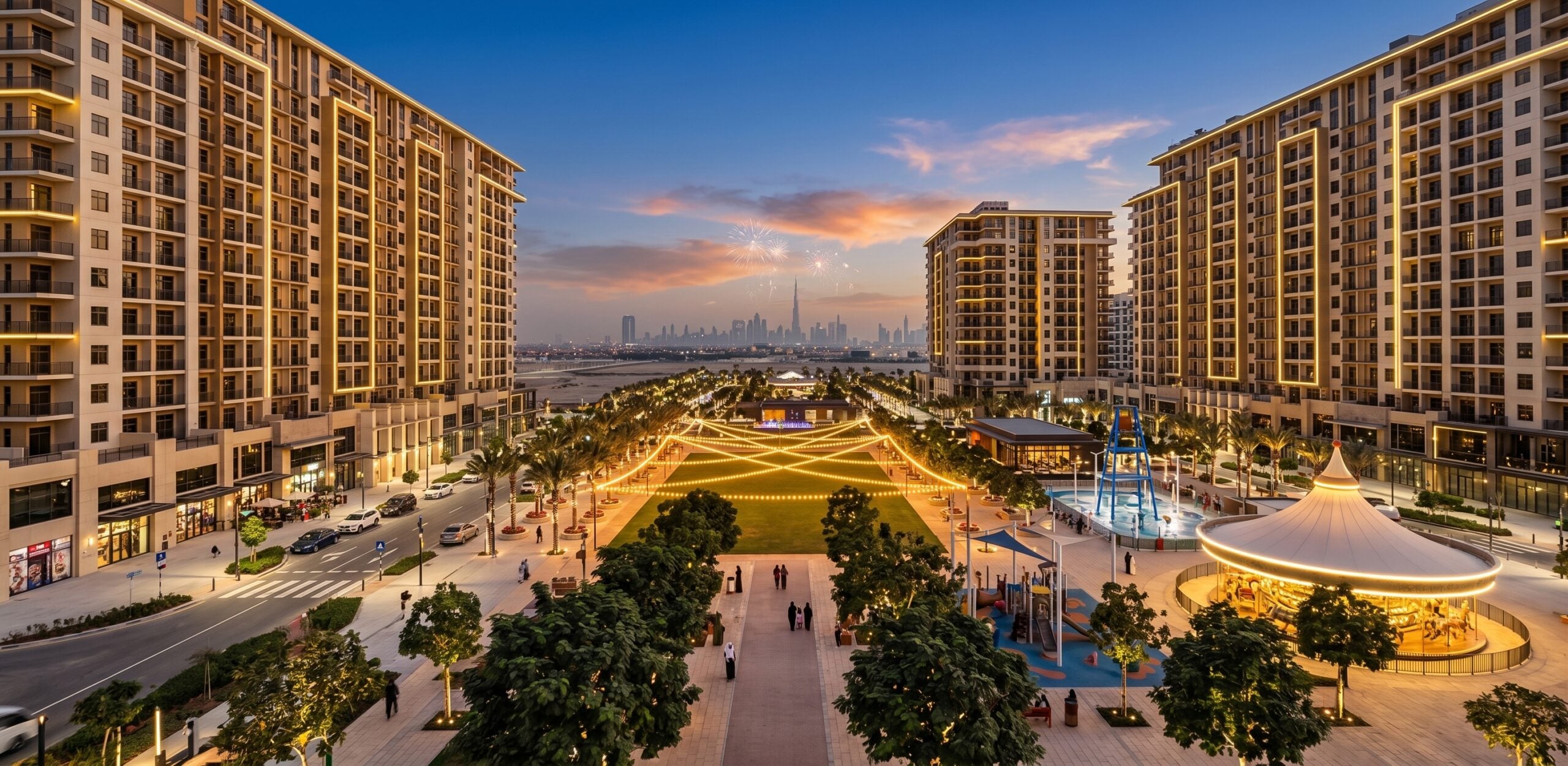
Dubai Marina, Downtown Dubai, and Arabian Ranches have established themselves as premier residential choices for expatriates in Dubai. These areas offer distinctive living experiences—Dubai Marina with its waterfront lifestyle and stunning skyscrapers, Downtown Dubai housing iconic landmarks like Burj Khalifa, and Arabian Ranches providing a more community-focused environment with spacious villas and leisure facilities.
Each established community offers specific property types catering to different lifestyle needs. Dubai Marina features primarily apartments ranging from studios to luxury penthouses. Downtown Dubai commands premium prices due to its prestigious location. Finally, Arabian Ranches appeals to families seeking villas in a tranquil setting away from the city’s hustle. These areas provide excellent access to international schools, healthcare facilities, and shopping centers, making them ideal for long-term living.
Emerging Investment Hotspots
Dubai South, MBR City, and Dubai Hills Estate are gaining recognition as emerging investment destinations with significant growth potential. These areas are attracting attention due to planned infrastructure developments and strategic advantages.
Investing in emerging areas presents both risks and rewards compared to established locations. While they offer potentially higher returns as the areas develop, investors should be prepared for longer investment horizons and possible market fluctuations. Early entry into these developing communities could yield substantial appreciation as infrastructure projects are completed and residential demand increases. However, investors should conduct thorough research on development timelines and master plans before committing to these emerging property markets.
Investment Considerations for Dubai Property
Dubai offers impressive rental yields compared to major global cities, making it a prime destination for property investment. With average gross rental yields reaching 8%, Dubai significantly outperforms some of the biggest capital cities in the world.
Several factors drive Dubai’s robust rental market, including its strategic location between Europe, Asia, and Africa. The emirate’s dynamic economy and foreign investment-friendly policies continue to attract professionals and businesses. Dubai’s reputation as a luxury tourism hub also creates consistent demand for short-term rentals, while the government’s economic diversification initiatives ensure long-term market stability for property investors.
Tips for a Successful Property Purchase in Dubai
Working with the Right Real Estate Agent
Finding a trusted real estate agent is important when purchasing property in Dubai as an expat. RERA-registered agents understand the local market dynamics and can understand the intricacies of Dubai’s real estate market. These professionals have access to exclusive listings and can match your requirements with suitable properties across different areas of the city.
The right agent will guide you through the entire buying process, from property viewings to price negotiations and legal documentation. They’ll explain the difference between various Dubai neighborhoods and help you understand market trends that impact property values. Agents familiar with expat needs can provide insights into investment opportunities, whether you’re looking for luxury villas with spectacular views or affordable studio apartments.
Common Mistakes to Avoid When Buying in Dubai
Many expats make avoidable errors when entering Dubai’s property market, particularly regarding location selection and budget planning. Understanding the market helps prevent overpaying for properties.
Conducting thorough due diligence is important before finalizing any property transaction in Dubai. This includes verifying the property’s ownership status through the Dubai Land Department, reviewing the developer’s track record and project history, and carefully examining all contractual documents. Expats should pay special attention to payment schedules, completion dates, and any penalties for delays. Additionally, buyers should physically inspect properties, verify measurements against those stated in marketing materials, and understand all associated fees.
FAQ
A 99-year lease in Dubai is a contractual agreement granting exclusive possession of a property for 99 years. This arrangement allows foreigners to invest in Dubai real estate without holding UAE citizenship, as they cannot directly own land.
Purchasing a home in Dubai does not automatically grant citizenship. Obtaining citizenship typically requires long-term residency or family ties. Some countries offer citizenship through real estate investment, but this is not the case in Dubai.
While real estate investment in Dubai doesn’t directly lead to citizenship, it can qualify buyers for the Golden Visa program, granting a 10-year renewable residency permit. This visa allows sponsors for family members and doesn’t require a local sponsor.
Dubai offers a favorable tax environment but is not entirely tax-free. There is generally no income tax for residents. Corporate tax is 0% for annual profits below AED 375,000 for mainland companies and 9% above that threshold. Value Added Tax (VAT) is set at 5%.